
Department of Emergency & Trauma Care
24/7 Advanced Emergency & Trauma Care | Life-Saving Expertise, Right When You Need It





Department of Emergency & Trauma Care?
At Ashok Hospital, we understand that a medical emergency does not wait. Our Emergency & Trauma Care Department is designed to function as a highly efficient, round-the-clock unit dedicated to saving lives. As the Best Emergency Hospital in Jaunpur, we provide immediate medical and psychological support for everything from minor fractures to critical, life-threatening conditions like heart attacks, strokes, and major accidents.
Our department is led by a specialized team of emergency physicians, trauma surgeons, and critical care nurses who are proficient in handling overwhelming emergency cases with precision and compassion. We recognize the importance of a swift response system—because in a crisis, every second counts.
Why Choose Ashok Hospital for Emergency & Trauma Care?
At Ashok Hospital, the emergency room is the heart of our operation. We operate on a “Platinum Ten Minutes” protocol, ensuring that a multidisciplinary team is ready the moment a patient arrives.
Upon admission, a triage team immediately assesses the patient’s severity. For life-threatening disorders—such as cardiac arrests, strokes, or severe accidents—patients are directed to our specialized Resuscitation Bay. Here, a skilled team begins immediate evaluation and stabilization using cutting-edge diagnostic tools. It is this relentless commitment to rapid, organized service that makes Ashok Hospital the trusted name for emergency care in the region.
Common Traumatic Injuries We Treat
Emergency care is crucial for a wide range of traumatic injuries. Our team is trained to handle:
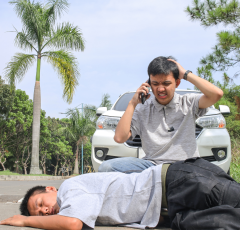
Road Traffic Accidents (RTAs): Vehicle crashes, motorcycle accidents.
Workplace & Home Injuries: Falls, burns, and machinery accidents.
Natural Disasters & Calamities.
Sports-Related Injuries: Fractures, dislocations, and head trauma.
Violent Injuries: Assaults, stab wounds, and gunshot injuries.
Medical Emergencies: Heart attacks, strokes, and respiratory failure.




Fundamental Guidelines for Treating Trauma Patients
We follow a strict, fast-paced protocol to ensure no time is wasted:
Immediate Action: Quick response is the first step in emergency care.
Prioritization: We treat severe, life-threatening injuries before minor ones.
The “Evaluate, Intervene, Re-evaluate” Cycle: Our team constantly assesses the patient, acts, and reassesses to ensure interventions are working.
Clinical Symptoms First: Diagnosis is driven by immediate clinical signs to facilitate rapid intervention.

Levels of Care & Referral Network
While Ashok Hospital maintains capabilities comparable to higher-level trauma centers, we ensure seamless patient management:
Comprehensive Assessment: Immediate evaluation of airway, breathing, circulation, and neurological status.
Advanced Life Support: From basic first aid to advanced trauma life-saving techniques (ATLS).
Stabilization & Transfer: For patients requiring highly specialized procedures (like complex cardiac surgery) not available on-site, we have a robust transfer protocol to partner Level-1 centers, ensuring the patient is stabilized and transported safely without gaps in care.

Our Specialized Trauma Team
Our strength lies in our people. The emergency team at Ashok Hospital consists of:
24/7 Emergency Physicians trained in critical care.
Trauma Surgeons ready for immediate operative intervention.
Specialists on Call: Orthopedics, Neurosurgeons, Cardiologists, and Anesthesiologists available 24/7.
Trained Paramedical Staff: Nurses, ward boys, and technicians skilled in handling high-pressure situations with empathy.

Our 24x7 Facilities & Infrastructure
Ashok Hospital is equipped with state-of-the-art infrastructure to support critical care around the clock:
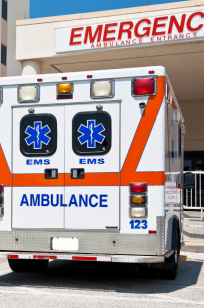
Fast Ambulance Services: GPS-enabled ambulances with paramedics and life-support equipment.
Dedicated Operation Theatres (OT): Separate OTs reserved exclusively for emergency surgeries.
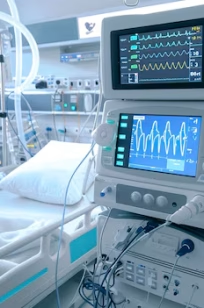
Advanced Monitoring: Cardiac monitors tracking BP, heart rate, and cardiac health; multi-channel monitors; crash carts; and mechanical ventilators.
Diagnostics: In-house Cath Lab, Ultrasound, CT Scan, and 24/7 Laboratory services.
Specialized Care: Dedicated teams for Pediatrics, Gynecology, and Neonatal emergencies.
Critical Care Units: Separate recovery beds and ICU facilities for post-operative and critical care.
Do’s in Case of a Trauma (Patient & Bystander Guidance)
In cases of severe traumatic injuries, the following crucial actions are vital:
Deliver Immediate Attention: Provide or seek medical help at the scene of the accident.
Do Not Move the Patient: Unless there is an immediate threat (fire, explosion), avoid moving the patient to prevent spinal injuries.
Control Bleeding: Apply firm pressure to wounds if trained to do so.
Stay Calm: The emergency medical team will act with caution and wisdom to carefully examine the situation.
Closing Statement
When searching for an Emergency Hospital near me, your decision should be based on speed, skill, and reliability. At Ashok Hospital, we provide the highest standard of emergency and trauma care, ensuring that you or your loved ones receive the best possible chance at recovery.
In an emergency, don’t hesitate. Reach out to us.
Contact: +91-7565955004
Location: Mahrupur, Varanasi Rd.



Frequently Asked Questions
Stay calm and ensure the scene is safe. Do not move the injured person unless there is an immediate danger (fire, explosion, or collapsing structure). If the person is bleeding heavily, apply firm pressure with a clean cloth. Keep the person warm and comfortable. Do not give them anything to eat or drink, as they may need emergency surgery.
You should go to the Emergency Room for life-threatening conditions such as chest pain, difficulty breathing, severe bleeding, head trauma, sudden weakness/numbness (signs of stroke), major fractures, loss of consciousness, or injuries from a serious accident. Urgent care centers are for minor illnesses or injuries like colds, small cuts, or mild fevers. When in doubt, always choose the ER.
Yes. Our Emergency & Trauma Care Department operates 24 hours a day, 7 days a week, 365 days a year, including all public holidays and festivals. Our team of doctors, nurses, and support staff work in rotating shifts to ensure continuous coverage.
Upon arrival, a trained nurse will perform a rapid triage assessment. Triage means patients are prioritized based on the severity of their condition—not on a first-come, first-served basis. Patients with life-threatening emergencies (heart attack, stroke, severe bleeding) are seen immediately, while those with minor issues may wait slightly longer.
Yes, we operate a fleet of 24/7 fast ambulances equipped with life-support systems, oxygen, defibrillators, and trained paramedics. To request an ambulance, call our emergency hotline immediately: [Insert Phone Number]. Please provide your exact location and a brief description of the emergency.
If possible, bring:
A government-issued ID (Aadhaar, driver's license, etc.)
Health insurance card or policy details
List of current medications, allergies, and known medical conditions
Any relevant medical records (if available)
Contact number of your primary care physician
Mobile phone and charger
Family members are generally allowed in the waiting area and, in some cases, in the treatment bay depending on the patient's condition and the procedures being performed. For critical patients in the Resuscitation Bay, we may limit access to allow our team to work efficiently. Our staff will provide regular updates to the family in a private consultation room.
Yes, we accept most major health insurance plans for emergency and trauma care. We also have a dedicated insurance desk that operates 24/7 to assist with cashless claims and paperwork. For uninsured patients, we offer transparent billing and payment assistance options. Please contact our front desk for specific policy queries.

Book Your Appointment
Ready When You Are. Book Your Slot.