
Department of Urology
Advanced Care for Urinary & Reproductive Health

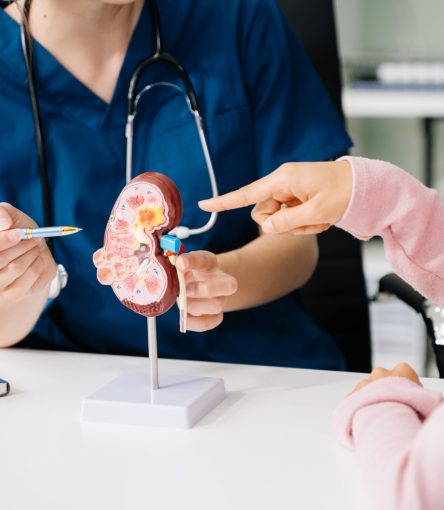



Department of Urology
Urology is a specialized branch of surgery that deals with diseases of the urinary tract in both men and women, as well as the male reproductive system. The Department of Urology at Ashok Hospital, Jaunpur is committed to providing advanced clinical care with a focus on accurate diagnosis, minimally invasive treatments, and comprehensive surgical expertise. We manage disorders of the kidney, ureter, urinary bladder, prostate gland, urethra, testis, and penis with a patient-centric approach.
What Are Kidney Stones?
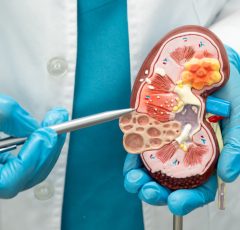
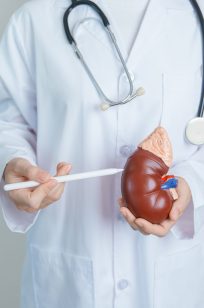
Kidney stones are hard, solid deposits of minerals and salts that form inside the kidneys. They develop when urine becomes concentrated, allowing minerals like calcium and uric acid to crystallize and stick together.
Key points:
Size varies: Can be as small as a grain of sand or as large as a marble.
Symptoms include: Severe flank pain, blood in urine, nausea, vomiting, and painful urination.
Treatment at Ashok Hospital: Laser stone treatment, lithotripsy, and minimally invasive endoscopic procedures.
Prevention: Drinking plenty of water (8–10 glasses daily) is the best way to prevent kidney stones.
Our Specialties
Endo-Urology: PCNL, URS, RIRS, TURP, TUR-BT
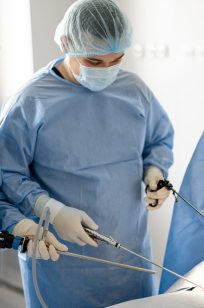
Laparoscopic Urology: Minimally invasive surgery for kidney, ureter, and bladder diseases
Female Urology: Comprehensive care for stress urinary incontinence, recurrent UTI, urethral stenosis, and VVF repair
Andrology & Male Infertility: Including penile prosthesis, testicular prosthesis, and vasectomy reversal (VVA/VEA)
Pediatric Urology: Specialized care for congenital and acquired urological conditions in children
Uro-Oncology: Surgical management of cancers of the kidney, bladder, prostate, and testis
Reconstructive Urology: Complex reconstructive surgeries for the kidney, ureter, bladder, and urethra



Procedures We Offer
Uroflowmetry and Urodynamic Studies: For accurate diagnosis of lower urinary tract disorders
Flexible Cystoscopy: Diagnostic OPD cystourethroscopy for comfortable, office-based evaluation
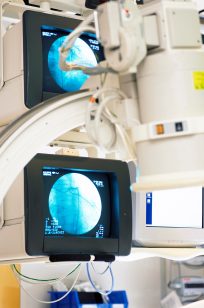
Flexible Ureterorenoscopy and Laser Lithotripsy (RIRS): For treating kidney stones without any holes or cuts
Laparoscopic Surgery: For diseases of the kidney, ureter, and bladder, including laparoscopic uro-oncology and laparoscopic reconstructive urology
Reconstructive Surgeries: For complex conditions involving the kidney, ureter, bladder, and urethra, including laparoscopic pyeloplasty and augmentation cystoplasty
Female Urology Procedures: Including VVF repair, TOT/TVT for stress urinary incontinence, management of recurrent UTI, and urethral stenosis
Andrology Procedures: Including penile prosthesis, artificial urinary sphincter, testicular prosthesis, vasovasostomy (VVA), and vasoepididymostomy (VEA)
Percutaneous Nephrolithotomy (PCNL): Minimally invasive removal of large kidney stones (more than 2 cm) through a small puncture wound (about 1 cm) through the skin
Why Choose Ashok Hospital for Urology?
Advanced Technology: Equipped with modern laser and laparoscopic systems for minimally invasive procedures
Comprehensive Care: From diagnosis to surgery and post-operative recovery, all under one roof
Experienced Team: Skilled urologists and support staff dedicated to patient safety and outcomes
Patient-Centric Approach: Clear communication, personalized treatment plans, and emphasis on pain-free, scarless options wherever possible

Frequently Asked Questions
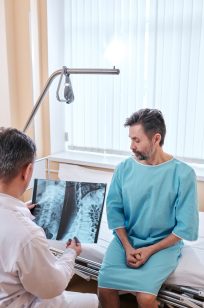
You should consult a urologist if you experience any of the following:
Blood in urine (hematuria)
Frequent or urgent need to urinate
Pain or burning sensation during urination
Difficulty starting or maintaining urine flow
Recurrent urinary tract infections (UTIs)
Pain in the lower abdomen, back, or groin
Kidney stones
Erectile dysfunction or infertility concerns in men
Urinary incontinence (leakage) in women
PCNL (Percutaneous Nephrolithotomy): A minimally invasive procedure where a small puncture (about 1 cm) is made through the skin to remove large kidney stones (usually >2 cm).
URS (Ureteroscopy): A thin scope is passed through the urethra and bladder into the ureter to remove or break stones located in the ureter or kidney.
RIRS (Retrograde Intrarenal Surgery): A flexible scope is used through the natural urinary passage to access the kidney and treat stones using a laser—without any external cuts or holes.
Far far away, behind the word mountains, far from the countries Vokalia and Consonantia, there live the blind texts. Separated they live in Bookmarksgrove right at the coast
Laparoscopic urology is a minimally invasive surgical technique where small keyhole incisions are made instead of a large open incision. A camera and specialized instruments are used to perform the surgery. Benefits include:
Less post-operative pain
Shorter hospital stay
Faster recovery
Smaller scars
Reduced risk of infection
At Ashok Hospital, we offer laparoscopic treatment for diseases of the kidney, ureter, and bladder, including urological cancers and reconstructive procedures.
Stress urinary incontinence is the involuntary leakage of urine during activities like coughing, sneezing, laughing, or exercise. It is commonly caused by weakening of pelvic floor muscles. At Ashok Hospital, we offer advanced treatment options such as TOT (Trans-Obturator Tape) and TVT (Tension-Free Vaginal Tape) procedures—minimally invasive surgeries that provide long-lasting relief with quick recovery.
Yes, kidney stones can recur. However, prevention is possible with:
Drinking adequate water (2.5–3 liters per day)
Reducing salt and animal protein intake
Limiting oxalate-rich foods (spinach, nuts, tea) if prone to calcium oxalate stones
Following dietary advice based on stone composition analysis
Our urology team provides personalized dietary and lifestyle guidance to help reduce the risk of recurrence.
Flexible cystoscopy is a diagnostic procedure where a thin, flexible scope is passed through the urethra to examine the bladder and urinary tract. It is performed in the OPD setting without the need for general anesthesia. Most patients experience only mild discomfort, and the procedure is well-tolerated with minimal recovery time.
Yes. Our Andrology services specialize in the evaluation and treatment of male infertility. We offer:
Semen analysis and hormonal evaluation
Medical management for erectile dysfunction and low testosterone
Surgical procedures including vasovasostomy (VVA) and vasoepididymostomy (VEA) for vasectomy reversal
Penile prosthesis and testicular prosthesis when indicated

Book Your Appointment
Schedule a consultation with our experienced urology specialists